Introduction
Fertility challenges can be stressful for women trying to start or grow their families. While many factors affect reproductive health, one important hormonal cause of infertility is elevated prolactin levels. The connection between prolactin and fertility is significant because hormones directly influence ovulation, menstrual cycles, and pregnancy chances.
Many women do not realize that high prolactin levels can silently interfere with reproductive health. When diagnosed early, proper treatment and lifestyle changes can improve fertility outcomes and restore hormonal balance.
At MedicalWaly, we aim to provide women with trusted health guidance that is easy to understand and medically informative. Understanding hormonal health is the first step toward improving fertility and overall wellness.
Why Hormonal Balance Is Important for Pregnancy
Hormones control nearly every stage of the reproductive process. From egg development and ovulation to implantation and pregnancy support, balanced hormones are essential for successful conception.
When hormones become disrupted, women may experience:
- Irregular periods
- Delayed ovulation
- Difficulty conceiving
- Mood changes
- Fatigue and stress
- Reproductive health complications
Understanding the Connection Between Prolactin and Fertility
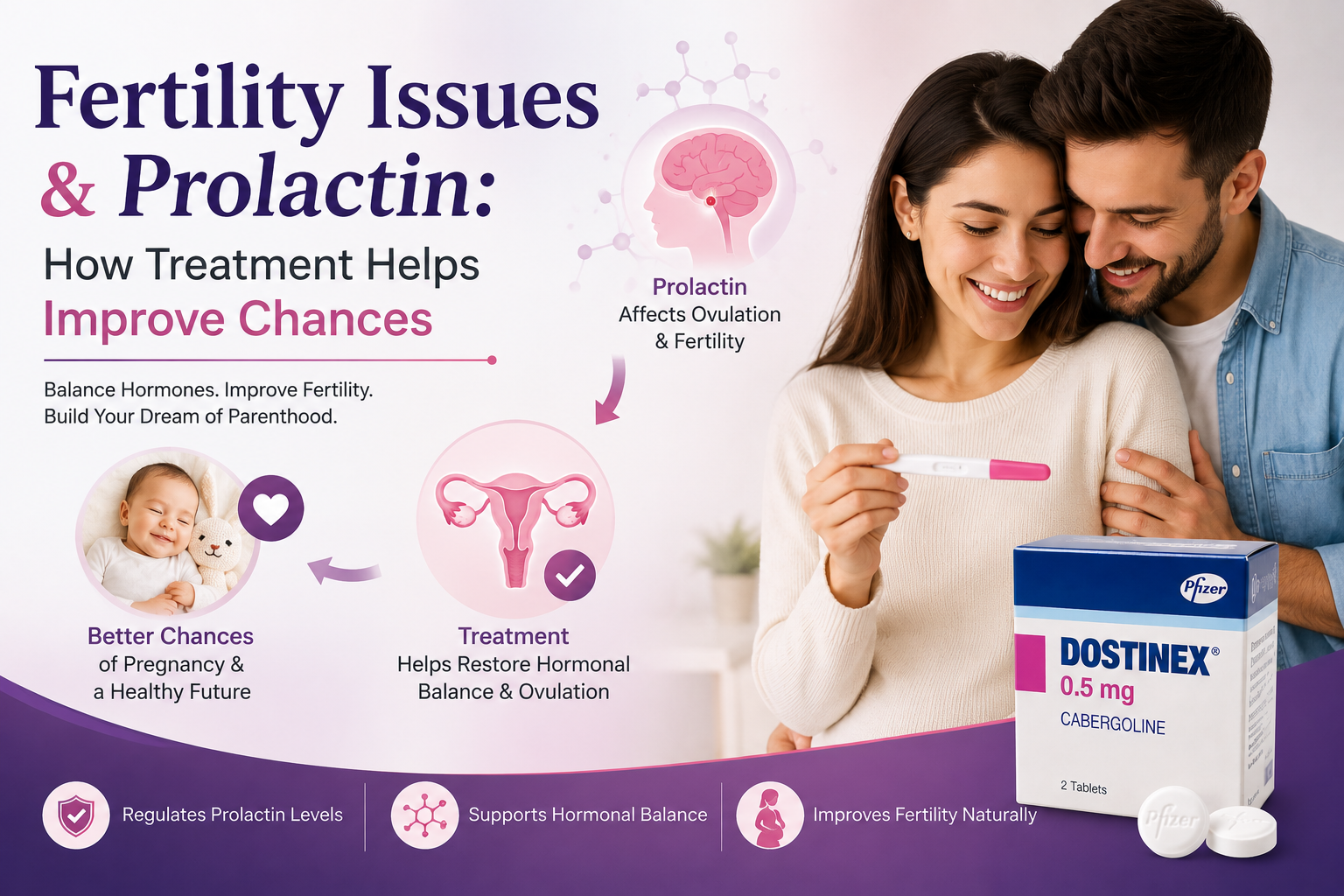
The relationship between prolactin and fertility becomes important when prolactin levels rise above normal. Prolactin is a hormone produced by the pituitary gland and is mainly responsible for milk production after childbirth.
However, when prolactin levels remain elevated in non-pregnant women, ovulation may stop or become irregular. This can make pregnancy difficult and may contribute to long-term reproductive health issues.
Overview of Dostinex and Fertility Treatment
Dostinex is a medication commonly prescribed to lower high prolactin levels. The medicine contains cabergoline, which works by reducing prolactin production in the brain.
Doctors often recommend Dostinex for fertility when high prolactin levels interfere with ovulation or menstrual regularity. By restoring hormone balance, the treatment may help improve pregnancy chances naturally.
What Is Prolactin and How Does It Affect Fertility?
Understanding prolactin’s role in reproductive health helps women recognize fertility-related symptoms early.
The Role of Prolactin Hormone in Women’s Reproductive Health
The prolactin hormone and pregnancy connection is very important because prolactin supports breastfeeding after childbirth. During pregnancy and nursing, prolactin levels naturally increase.
Outside pregnancy, however, excessive prolactin can disrupt reproductive hormones and affect ovulation. This is why doctors closely monitor the prolactin hormone and pregnancy relationship during fertility evaluations.
Common Causes of Elevated Prolactin Levels
High prolactin levels may occur due to several medical and lifestyle factors, including:
- Pituitary gland disorders
- Chronic stress
- Thyroid disease
- Certain medications
- Polycystic Ovary Syndrome (PCOS)
- Sleep disturbances
Hormonal Fertility Issues Related to High Prolactin
Many women experience hormonal fertility issues without knowing the underlying cause. Elevated prolactin levels may prevent normal ovulation, which reduces the chances of conception.
Common hormonal fertility issues linked to high prolactin include:
- Irregular periods
- Delayed ovulation
- Reduced egg release
- Hormonal imbalance
- Difficulty conceiving naturally
High Prolactin Symptoms in Females
Recognizing symptoms early is important for proper diagnosis and treatment. Common high prolactin symptoms in females include:
- Missed or irregular periods
- Difficulty getting pregnant
- Breast discharge unrelated to pregnancy
- Headaches
- Mood swings
- Low libido
- Fatigue
Signs and Symptoms of Prolactin-Related Fertility Problems
Prolactin-related hormonal disorders may affect women physically, emotionally, and reproductively.
Irregular Menstrual Cycles and Ovulation Issues
One of the most common signs of prolactin and fertility problems is irregular menstruation. Women may experience missed periods, light cycles, or unpredictable ovulation.
Since ovulation is essential for conception, hormonal imbalance can reduce pregnancy chances significantly.
Difficulty Conceiving Naturally
Women with elevated prolactin often struggle with infertility because the hormone suppresses ovulation. Couples may try for months or years without success before discovering the hormonal cause.
Early hormone testing can help identify fertility problems and improve treatment outcomes.
Breast Discharge and Hormonal Changes
Unexpected breast discharge unrelated to breastfeeding may indicate elevated prolactin levels. Hormonal imbalance may also cause:
- Breast tenderness
- Mood fluctuations
- Low energy
- Weight changes
Emotional and Physical Effects of Hormonal Imbalance
Hormonal imbalance can affect emotional health as much as physical health. Many women experience stress, anxiety, frustration, and emotional exhaustion while struggling with fertility challenges.
At MedicalWaly, we encourage women to seek medical support early and prioritize emotional wellness during fertility treatment.
How Dostinex Helps Improve Fertility Chances
Dostinex is one of the most commonly prescribed treatments for prolactin-related infertility.
How Dostinex Works to Lower Prolactin Levels
Dostinex contains cabergoline, which stimulates dopamine receptors in the brain to reduce prolactin production.
Lower prolactin levels may help restore normal menstrual cycles and improve ovulation.
Restoring Ovulation and Hormonal Balance
The connection between prolactin and fertility becomes clearer when prolactin levels return to normal. Women often experience improved ovulation, better menstrual regularity, and increased fertility potential.
Doctors may prescribe Dostinex for fertility as part of a complete reproductive treatment plan.
Improving Pregnancy Chances Naturally
Many women successfully achieve pregnancy after treating elevated prolactin levels. Along with medication, lifestyle improvements also play a major role in improving fertility naturally.
Healthy nutrition, stress reduction, and exercise can support reproductive wellness while treatment restores hormonal balance.
Women focused on improving fertility naturally should combine healthy habits with professional medical guidance.
Benefits of Hormone Therapy for Infertility
Proper hormone therapy for infertility may improve reproductive outcomes for women struggling with hormonal imbalance.
Benefits of hormone therapy for infertility may include:
- Improved ovulation
- Regular menstrual cycles
- Better hormonal balance
- Increased pregnancy chances
- Reduced prolactin symptoms
Diagnosis and Treatment Options for High Prolactin
Proper diagnosis is essential before beginning fertility treatment.
Hormone Testing and Fertility Evaluation
Doctors usually perform blood tests to measure prolactin levels and evaluate reproductive hormones. Additional testing may include:
- Thyroid function tests
- Ultrasound scans
- MRI imaging of the pituitary gland
- Ovulation tracking
Accurate diagnosis helps determine the most effective treatment plan.
Medical Treatments for Hormonal Fertility Issues
Treatment depends on the underlying cause of elevated prolactin levels. Common approaches include:
- Cabergoline medication
- Hormone therapy
- Lifestyle changes
- Fertility support treatments
Women facing hormonal fertility issues should always follow treatment under medical supervision.
Lifestyle Changes That Support Fertility Health
Healthy habits can improve hormonal wellness and reproductive health naturally.
Helpful lifestyle strategies include:
- Eating balanced meals
- Managing stress
- Improving sleep quality
- Maintaining healthy body weight
- Limiting processed foods
These changes support fertility and hormonal recovery.
Infertility Treatment Options in Pakistan
Women seeking professional infertility treatment Pakistan services should consult qualified fertility specialists or endocrinologists.
Modern infertility treatment Pakistan clinics may offer:
- Hormone testing
- Ovulation treatment
- Fertility medications
- IVF support
- Reproductive counseling
At MedicalWaly, women can access trusted healthcare guidance and fertility-related information to make informed treatment decisions.
Dosage, Side Effects, and Safety of Dostinex
Like all prescription medicines, Dostinex should only be used under medical supervision.
Recommended Dosage and Medical Guidance
Doctors usually start with a low dose and adjust treatment based on prolactin levels and patient response.
Patients should:
- Follow prescribed dosage instructions
- Attend regular follow-up appointments
- Avoid self-medication
- Monitor symptoms carefully
Common Side Effects Women Should Know
Some women may experience mild side effects, including:
- Headache
- Nausea
- Dizziness
- Fatigue
- Stomach discomfort
Most side effects improve as the body adjusts to treatment.
Safety Precautions During Fertility Treatment
Women should inform their doctor about:
- Pregnancy plans
- Existing medical conditions
- Current medications
- Allergies
- Heart or liver disease
Medical supervision is important throughout fertility treatment.
When to Consult a Fertility Specialist
Women should consult a specialist if they experience:
- Difficulty conceiving for over a year
- Persistent irregular periods
- Recurrent miscarriages
- Symptoms of hormonal imbalance
- Fertility concerns linked to prolactin levels
Natural Ways to Support Fertility and Hormonal Balance
Lifestyle choices play a major role in reproductive wellness.
Healthy Diet and Hormone-Friendly Nutrition
A nutrient-rich diet can support hormone balance and fertility health. Women should focus on:
- Fresh fruits and vegetables
- Lean proteins
- Whole grains
- Healthy fats
- Iron-rich foods
Proper nutrition helps support reproductive function naturally.
Stress Management and Better Sleep Habits
Stress increases cortisol levels, which may interfere with fertility hormones. Managing stress through relaxation techniques, meditation, or yoga can improve overall hormonal balance.
Exercise and Reproductive Wellness
Moderate physical activity supports healthy hormone function and weight management.
Helpful activities include:
- Walking
- Yoga
- Swimming
- Light strength training
Long-Term Hormonal Health Tips for Women
Long-term hormonal wellness requires consistency and healthy lifestyle habits.
Women should:
- Schedule regular medical checkups
- Monitor menstrual health
- Manage stress effectively
- Avoid smoking and excessive caffeine
- Maintain healthy body weight
FAQs
Q1. What happens when prolactin levels are too high in women?
High prolactin levels may disrupt ovulation, cause irregular periods, reduce fertility, and create hormonal imbalance symptoms.
Q2. Can Dostinex help women get pregnant?
Yes. Dostinex helps lower prolactin levels, restore ovulation, and improve pregnancy chances for women affected by hormonal imbalance.
Q3. How long does it take for Dostinex to improve fertility?
Some women notice improvement within a few weeks, while others may require several months depending on hormone levels and overall health.
Q4. What is the average Dostinex price in Pakistan?
The price may vary based on pharmacy, dosage, and availability. Women should purchase medication only from trusted healthcare providers.
Q5. Can lifestyle changes help lower prolactin levels naturally?
Yes. Stress management, healthy eating, better sleep, and regular exercise may support hormonal balance and reproductive health.
Q6. When should I see a doctor for fertility issues?
Women should seek medical advice if they experience irregular periods, fertility problems, hormonal symptoms, or difficulty conceiving for an extended period.
Conclusion
Key Takeaways About Prolactin and Fertility
The connection between prolactin and fertility is important because elevated prolactin levels can disrupt ovulation, menstrual cycles, and pregnancy chances. Early diagnosis and proper treatment can help restore reproductive health and improve fertility outcomes.
Importance of Early Diagnosis and Proper Treatment
Women experiencing symptoms of hormonal imbalance or infertility should seek professional medical advice as early as possible. Timely treatment can prevent long-term reproductive complications and increase pregnancy success rates.
Final Thoughts on Improving Fertility Naturally
Improving fertility requires a combination of medical care, healthy lifestyle habits, emotional wellness, and proper hormonal management.
At MedicalWaly, we are committed to helping women understand fertility health and make informed decisions about hormonal treatment and reproductive wellness. Whether you are exploring fertility options or learning more about hormonal health, expert medical guidance is always the safest approach.