Introduction
Adrenal insufficiency is a serious hormonal condition that occurs when the adrenal glands fail to produce enough essential hormones, particularly cortisol and sometimes aldosterone. These hormones help regulate blood pressure, metabolism, stress response, and energy levels. When hormone production drops, the body may develop several physical and emotional symptoms that affect daily life.
Many people ignore the early warning signs because the symptoms often develop slowly. However, recognizing adrenal insufficiency symptoms early can help prevent severe complications and improve long-term health outcomes.
At MedicalWaly, we believe awareness and early medical support are essential for managing hormonal health conditions effectively.
Why Early Diagnosis Matters
Early diagnosis can help patients avoid dangerous complications such as adrenal crisis, severe dehydration, and extremely low blood pressure. Because many endocrine disorder symptoms overlap with common health issues, adrenal insufficiency is sometimes difficult to identify without proper medical testing.
Timely treatment improves quality of life and allows patients to manage symptoms safely through medication, lifestyle changes, and regular monitoring.
What This Guide Will Cover
This guide explains:
- Common adrenal insufficiency symptoms
- The major adrenal insufficiency causes
- Diagnosis methods
- Treatment options and medications
- Lifestyle tips for adrenal health
Understanding Adrenal Insufficiency
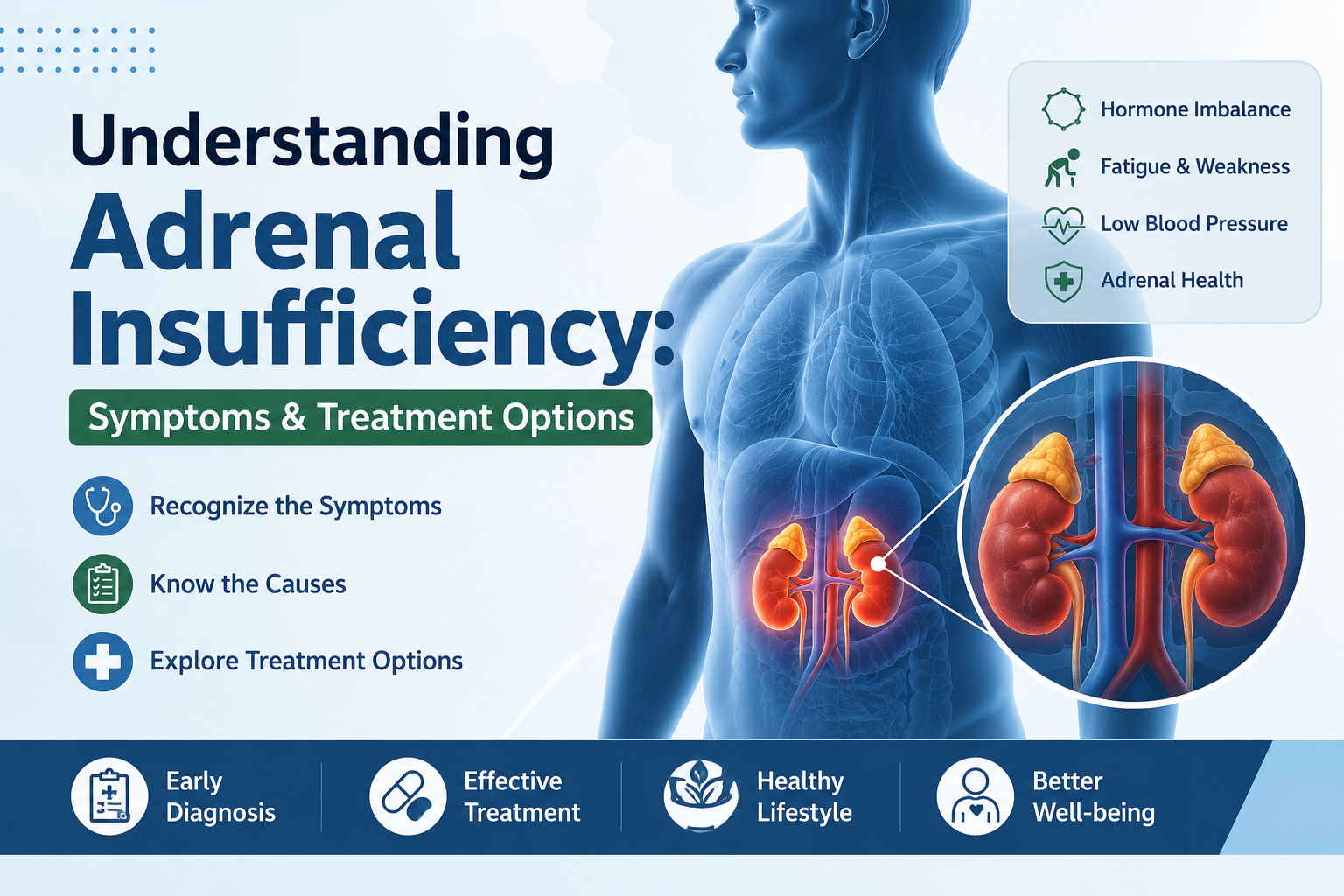
The adrenal glands are small but extremely important organs located above the kidneys. They are responsible for producing hormones that regulate several body functions, including metabolism, blood pressure, fluid balance, and stress response. When these glands become damaged or stop functioning properly, the body struggles to maintain normal hormone levels.
Adrenal insufficiency can develop gradually or suddenly depending on the underlying cause. Some patients experience mild symptoms in the beginning, while others may develop serious health complications over time. Understanding how the condition works helps patients recognize symptoms early and seek proper medical care.
What Is Adrenal Insufficiency?
Adrenal insufficiency is a condition in which the adrenal glands cannot produce enough hormones required for normal body function. Cortisol is especially important because it helps regulate stress response, blood sugar levels, and immune function.
When hormone levels remain low for long periods, patients may experience fatigue, dizziness, digestive issues, and weakness.
Types of Adrenal Insufficiency
There are different forms of adrenal insufficiency:
- Primary adrenal insufficiency (Addison’s disease)
- Secondary adrenal insufficiency
- Acute adrenal crisis
Each type affects hormone production differently and may require specialized treatment plans.
How the Adrenal Glands Function
The adrenal glands are located above the kidneys and produce hormones that support:
- Blood pressure control
- Salt and water balance
- Metabolism
- Stress response
When adrenal function becomes impaired, multiple adrenal health problems can develop throughout the body.
Common Adrenal Insufficiency Symptoms
The symptoms of adrenal insufficiency usually appear gradually and may worsen over time if treatment is delayed. Many symptoms are often mistaken for stress, fatigue, or other common illnesses, making diagnosis difficult during the early stages.
Recognizing adrenal insufficiency symptoms early can help prevent severe complications and improve treatment outcomes. Patients should seek medical attention if symptoms continue for a long period or become more severe over time.
Chronic Fatigue and Weakness
Persistent fatigue is one of the most common adrenal insufficiency symptoms. Many patients feel exhausted even after getting enough sleep. Muscle weakness and low energy can interfere with daily activities and work performance.
Low Blood Pressure and Dizziness
Low cortisol and aldosterone levels may lead to low blood pressure. Patients often experience dizziness, especially while standing quickly. Severe cases may result in fainting episodes.
Weight Loss and Digestive Problems
Unexplained weight loss, nausea, vomiting, and abdominal discomfort are also linked to adrenal insufficiency symptoms. Appetite changes can gradually worsen if the condition remains untreated.
Early Signs of Adrenal Insufficiency
The early warning signs of adrenal insufficiency are often mild and difficult to identify in the beginning. Many people ignore these symptoms because they may appear similar to stress or overwork. However, ongoing symptoms should never be ignored.
Understanding the early signs of adrenal insufficiency can help patients receive timely medical care before complications become severe.
Muscle and Joint Pain
One of the most overlooked early signs of adrenal insufficiency is ongoing muscle pain and body aches. Hormonal imbalance affects the body’s ability to maintain energy and muscle strength.
Salt Cravings and Dehydration
People with adrenal insufficiency may crave salty foods because aldosterone helps regulate sodium levels in the body. Frequent dehydration can also occur due to electrolyte imbalance.
These early signs of adrenal insufficiency should not be ignored, especially if they appear alongside fatigue and dizziness.
Mood Changes and Depression
Hormonal imbalance can affect mental health as well. Anxiety, depression, irritability, and difficulty concentrating are common endocrine disorder symptoms associated with adrenal dysfunction.
Adrenal Insufficiency Causes
Autoimmune disease is one of the leading adrenal insufficiency causes. In these cases, the immune system mistakenly attacks the adrenal glands and damages hormone production.
Pituitary Gland Problems
The pituitary gland controls hormone signaling to the adrenal glands. Disorders affecting this gland may reduce cortisol production and contribute to adrenal insufficiency.
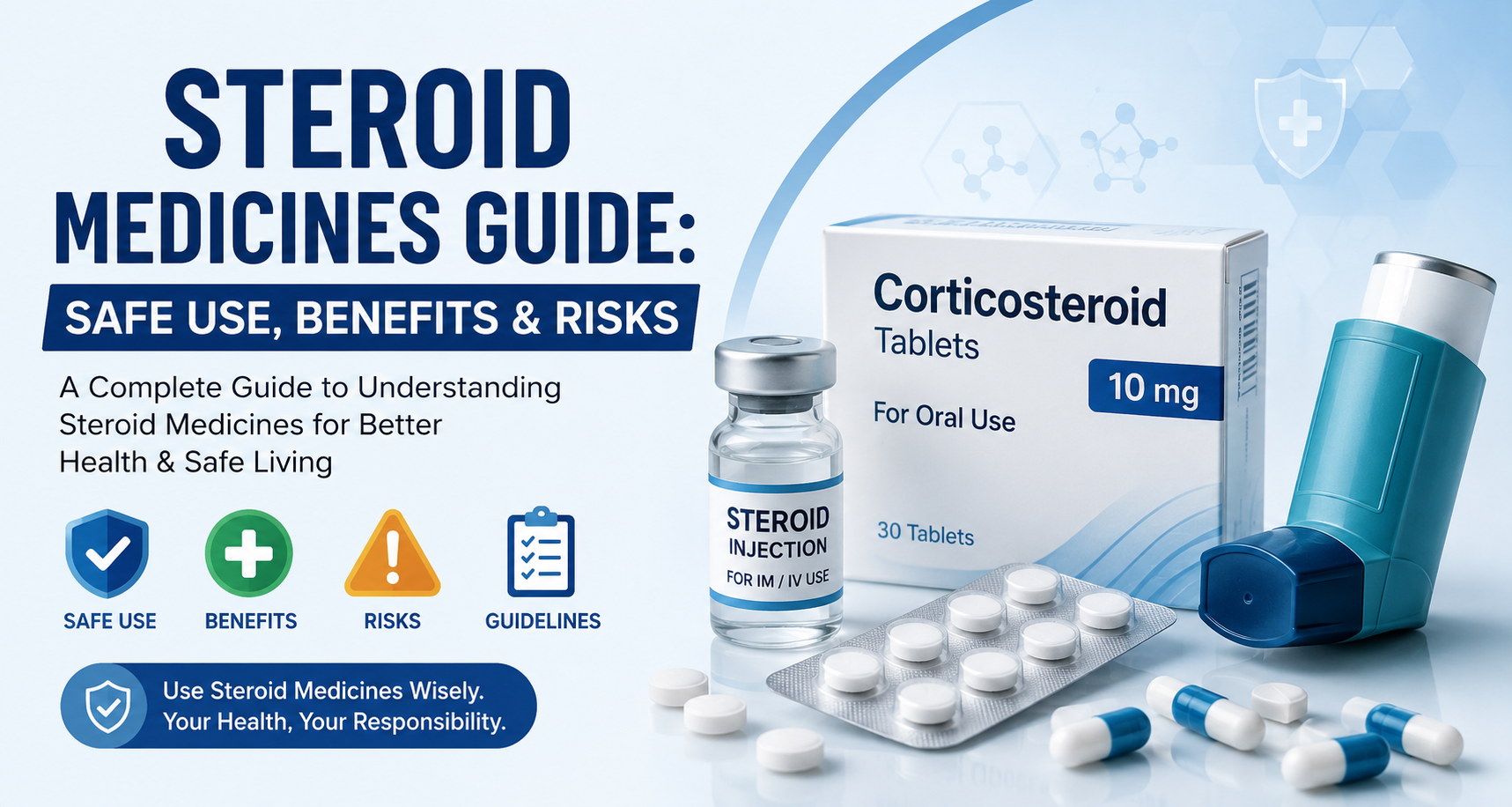
Long-Term Steroid Medication Use
Long-term use of corticosteroid medications can suppress adrenal gland function over time. Suddenly stopping steroid medication may also trigger adrenal problems.
Understanding these adrenal insufficiency causes helps doctors determine the most appropriate treatment approach.
Endocrine Disorder Symptoms Related to Adrenal Health
Low hormone production can lead to:
- Fatigue
- Weakness
- Mood changes
- Low blood pressure
These endocrine disorder symptoms often affect physical and emotional health simultaneously.
Electrolyte Imbalance Issues
Adrenal gland dysfunction may disturb sodium and potassium levels, causing dehydration, muscle cramps, and irregular heartbeat problems.
Stress Intolerance and Fatigue
Patients with adrenal insufficiency often struggle to handle physical or emotional stress because cortisol plays a critical role in stress response.
At MedicalWaly, patients can learn more about medications and hormone-related health conditions through trusted healthcare information.
Diagnosing Adrenal Insufficiency
Doctors commonly perform blood tests to check cortisol, sodium, potassium, and ACTH hormone levels.
ACTH Stimulation Test
This test evaluates how well the adrenal glands respond to hormone stimulation. It is considered one of the most reliable diagnostic tools for adrenal insufficiency.
Imaging and Medical Examination
CT scans or MRI imaging may help doctors identify structural abnormalities in the adrenal or pituitary glands.
Accurate diagnosis is important for selecting the right adrenal insufficiency treatment plan.
Adrenal Insufficiency Treatment Options
Hormone Replacement Therapy
The primary goal of hormone deficiency treatment is to replace missing hormones and restore balance in the body.
Patients often require lifelong medication to maintain stable hormone levels and prevent complications.
Corticosteroid Medications
Doctors commonly prescribe hydrocortisone or prednisone as part of adrenal insufficiency treatment. These medications help replace cortisol levels naturally produced by the body.
Long-Term Treatment Management
Successful management includes:
- Regular follow-up appointments
- Medication monitoring
- Lifestyle adjustments
- Emergency treatment planning
Consistent hormone deficiency treatment greatly improves patient quality of life.
Fludrocortisone Uses and Benefits
Among the most common fludrocortisone uses is replacing aldosterone hormone levels in patients with adrenal insufficiency. This medication helps maintain sodium balance and blood pressure stability.
Recommended Dosage and Usage
Doctors prescribe Fludrocortisone according to individual hormone requirements. Patients should always follow medical instructions carefully.
Possible Side Effects and Precautions
Some side effects may include:
- Swelling
- High blood pressure
- Headaches
- Electrolyte imbalance
Understanding proper fludrocortisone uses helps patients use the medication safely and effectively.
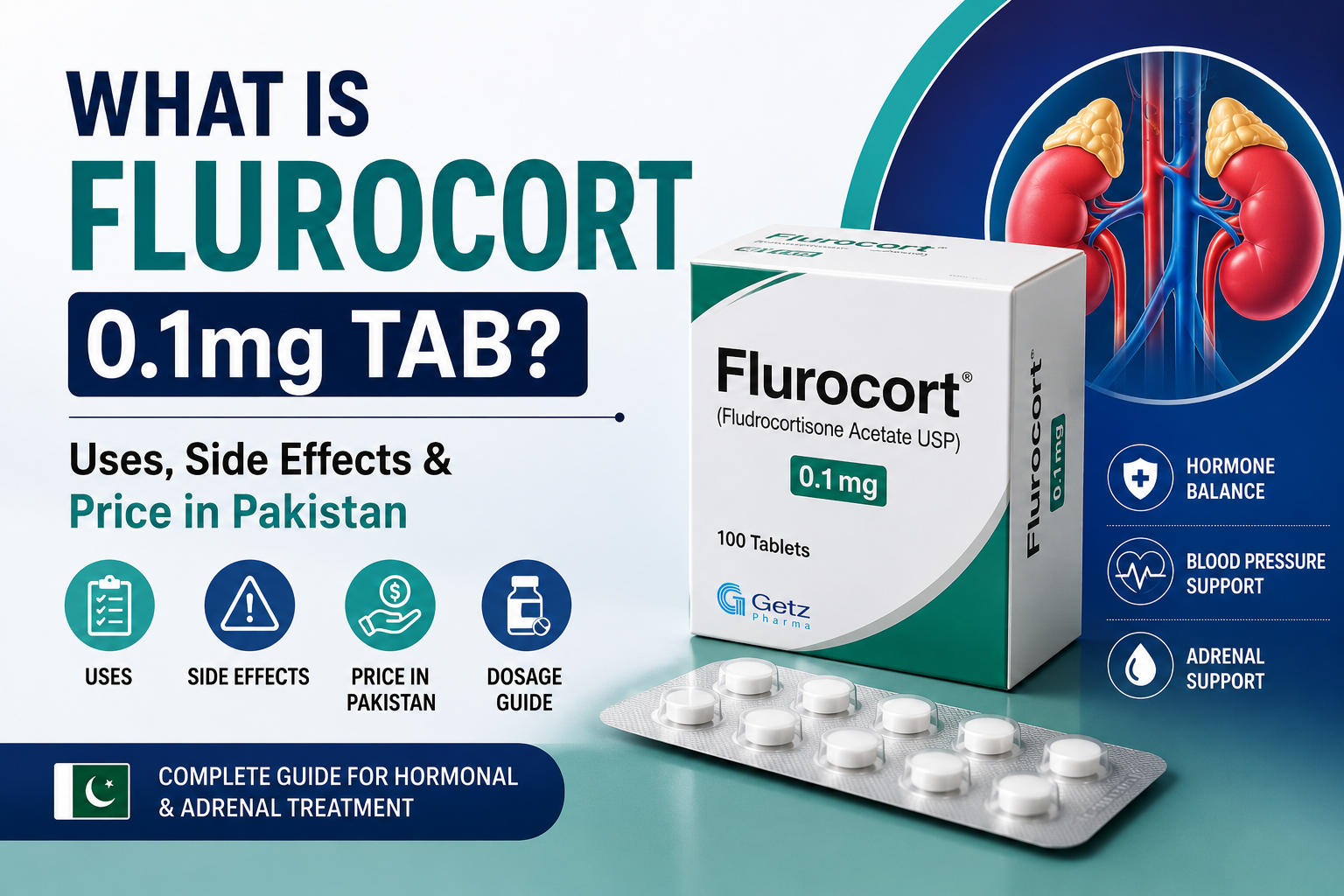
Flurocort 0.1mg Tab Price in Pakistan
The flurocort 0.1mg tab price in Pakistan may vary depending on the pharmacy, city, and manufacturer. Prices can also change due to availability and import costs.
Availability in Local Pharmacies
Most major pharmacies stock Flurocort tablets for patients requiring adrenal hormone support.
Patients searching for the latest flurocort 0.1mg tab price in Pakistan should purchase medicines only from trusted healthcare providers.
Tips for Buying Genuine Medicine
To ensure medication quality:
- Buy from reputable pharmacies
- Check packaging and expiry dates
- Avoid unverified online sellers
MedicalWaly helps users access reliable healthcare products and medication guidance in Pakistan.
Lifestyle Tips for Better Adrenal Health
Best Diet for Hormone Balance
A healthy diet supports adrenal function. Patients should focus on:
- Protein-rich foods
- Fruits and vegetables
- Balanced sodium intake
- Proper hydration
These habits may help reduce certain adrenal health problems.
Stress Management Techniques
Managing stress is extremely important because stress increases cortisol demand in the body.
Helpful techniques include:
- Meditation
- Light exercise
- Deep breathing
- Relaxation routines
FAQs
Q1. What Are the Earliest Signs of Adrenal Insufficiency?
Fatigue, muscle weakness, dizziness, and salt cravings are among the earliest symptoms.
Q2. Is Adrenal Insufficiency a Lifelong Condition?
Many patients require lifelong management and medication support depending on the underlying cause.
Q3. What Is the Difference Between Addison’s Disease and Adrenal Insufficiency?
Addison’s disease is a specific type of primary adrenal insufficiency caused mainly by autoimmune damage.
Q4. How Is Fludrocortisone Used for Treatment?
Doctors prescribe it to maintain sodium balance and support blood pressure control.
Q5. Can Adrenal Insufficiency Be Managed Naturally?
Lifestyle improvements may support treatment, but medical therapy remains essential. Patients can visit MedicalWaly for trusted healthcare information and medication guidance.
Conclusion
Importance of Early Treatment
Recognizing adrenal insufficiency symptoms early can help patients receive timely medical care and avoid life-threatening complications.
Managing Symptoms Effectively
With proper medication, healthy lifestyle choices, and consistent monitoring, most patients can successfully manage adrenal insufficiency and maintain a normal routine.
Maintaining Long-Term Adrenal Health
Understanding hormone balance, following prescribed treatment, and staying informed about adrenal health are essential for long-term wellness. For reliable healthcare products, medication information, and wellness support, visit MedicalWaly.